
 Monday - Friday 9am - 9pm. Saturdays 9am - 7pm. Sunday 9am - 3pm.
 Email:
 (469)917-8363
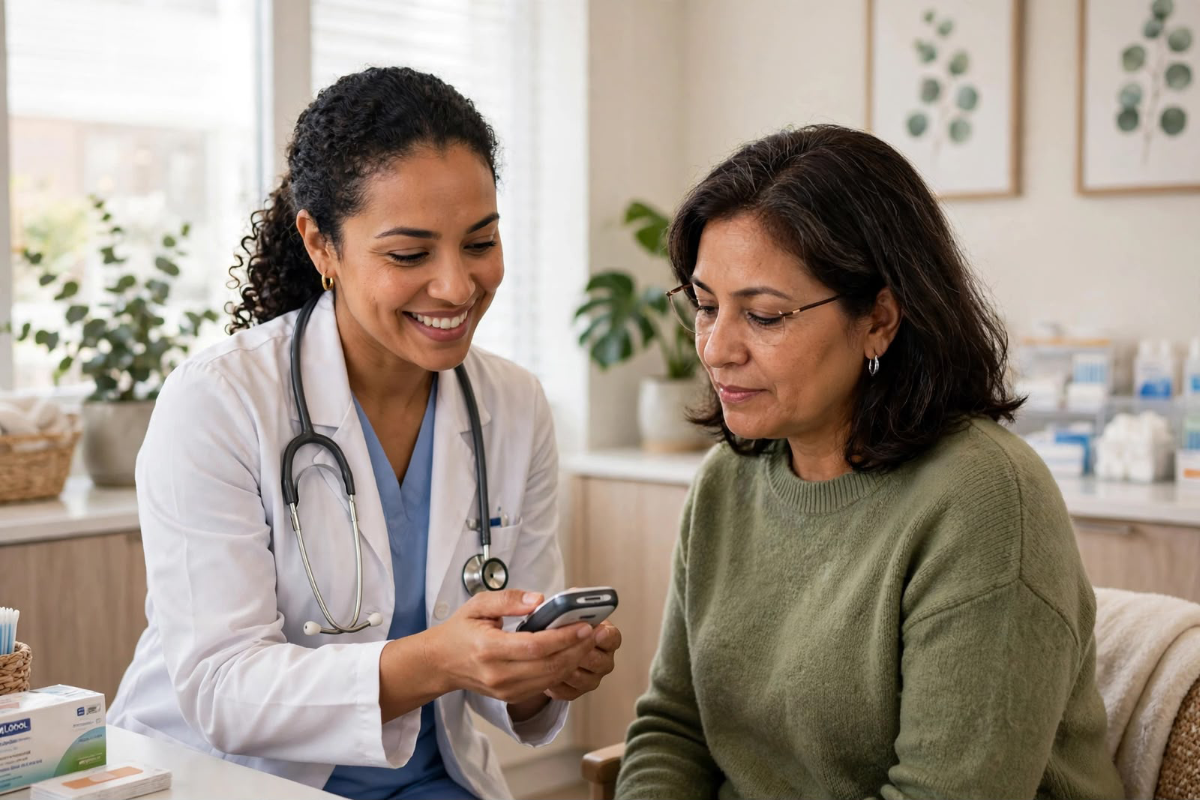
At Clinica Hispana Vida Sana, we know that type 2 diabetes can go unnoticed at first. You may feel well and keep working even when your blood sugar is high. That is why it is important not to wait for symptoms before checking on your health.
Over time, high blood glucose can affect your eyes, kidneys, heart, nerves, and feet. Detecting changes and keeping up with medical follow-up can help you prevent or delay complications.
Why Is Managing Your Blood Sugar So Important?
Insulin is a hormone that helps glucose enter your cells to provide energy. When your body does not make enough insulin or does not use it well, glucose builds up in your blood.
Good diabetes management is about more than lowering a number. The goal is to protect your long-term health:
- Reduce blood sugar highs and lows that can affect how you feel.
- Protect your vision and reduce the risk of eye complications.
- Protect your kidneys.
- Pay attention to wounds and the health of your feet.
- Reduce the risk of heart problems and stroke.
Diabetes Needs Ongoing Care, Not Self-Medication
Taking a pill that a relative gave you or checking your blood sugar once in a while is not enough. Diabetes changes, your body changes, and your treatment may need adjustments.
Do not self-medicate or change your dose of insulin or other medicines on your own. Not everyone with type 2 diabetes needs insulin; treatment depends on your situation. Sharing your results and medical history with your care team helps support ongoing care.
You Need a Plan That Fits Your Life
At Clinica Hispana Vida Sana, diabetes follow-up goes beyond a prescription. Talk with your care team about a plan that takes your needs and daily life into account.
- Review your results and adjust insulin or medicines, when appropriate, based on your response to treatment.
- Guide you on what to eat and how to include foods you enjoy in a plan that is right for you.
- Check for possible complications even if you have not noticed symptoms.
- Agree on your next checkups and answer your questions so you can keep taking care of your health.
Do Not Wait Until You Feel Unwell to Seek Care
If you are very thirsty, urinate frequently, notice blurred vision, or have wounds that heal slowly, seek an evaluation. Dizziness also deserves attention: on its own, it does not tell you whether your blood sugar is high or low.
The A1C test reflects your average blood glucose over the past three months. How often you need the test depends on your treatment and results: some people need it every three months, while others may need it less often. Ask your healthcare professional when your next test is due.
Today Is a Good Day to Take Back Control.
Schedule Your Diabetes Follow-Up at Clinica Hispana Vida Sana
Care in your language, without judgment, from a team that understands the importance of your life and culture. Taking care of your diabetes is a way to protect your well-being and be there for your family.
This article is for informational purposes and does not replace an individual medical evaluation.


